
Infrastructure
The Coming Infrastructure Reckoning
American power has always rested on two foundations: our ability to project force globally and our capacity to build things that last.
Read article →Burning the Boats
Finance and foreign policy — translated, never simplified.
American power has always rested on two foundations: our ability to project force globally and our capacity to build things that last.
Read article →
Most organizations are drowning in data while starving for insight.

The American Republic is dying by design — not through foreign invasion or economic collapse, but through the quiet strangulation of the very separation of powers that birthed it.

China builds 1,000 ships a year. We build three. And Washington just made our shipyards 50% more expensive.

The personal finance app market is a graveyard of half-measures. Meridian is a self-hosted finance platform that puts you — not an ad algorithm — in control of your own data.
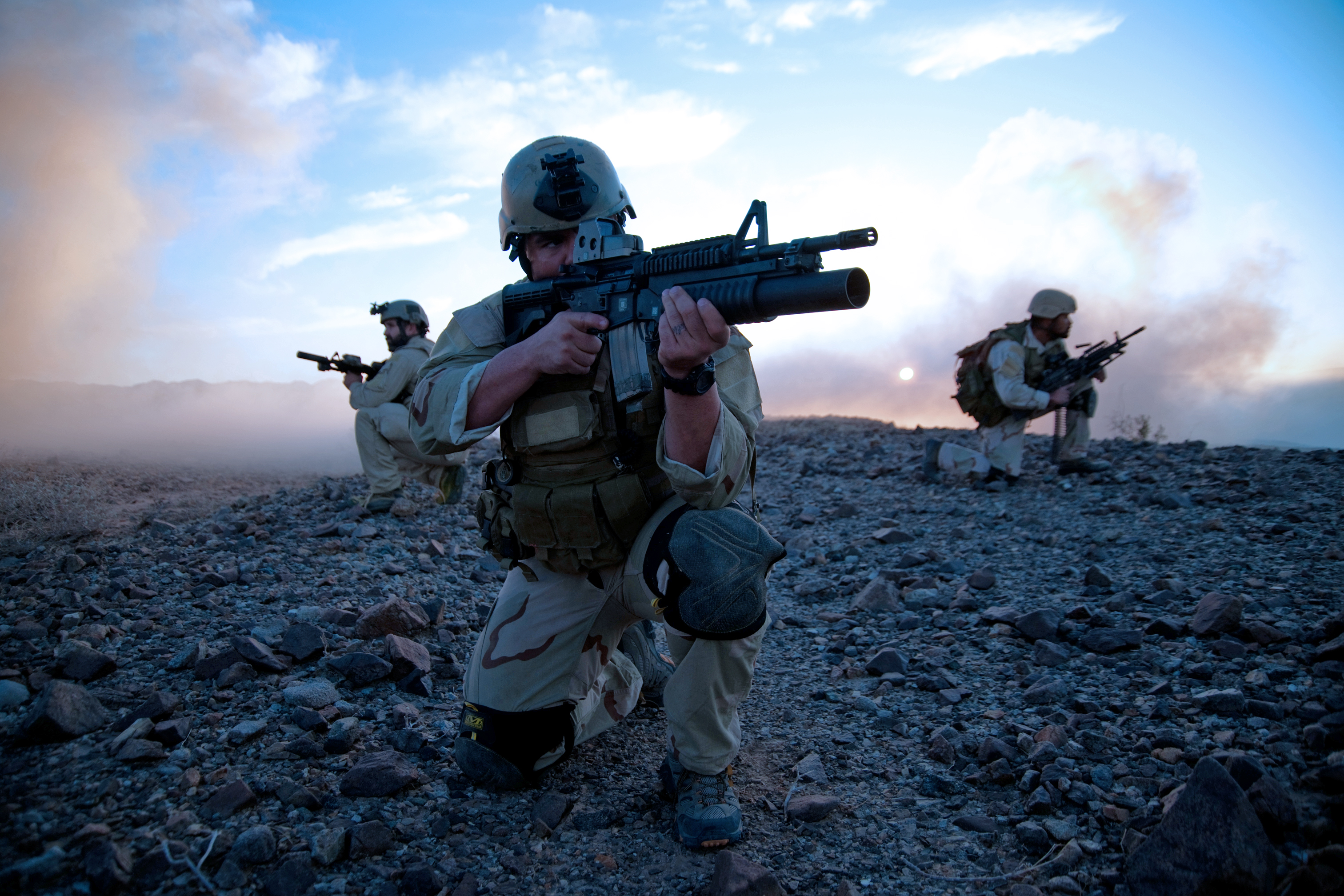
The Iran war is effectively over. The $200 billion funding request tells you what comes next: controlling the oil that powers China.

The AI revolution isn't happening in Silicon Valley boardrooms or research labs — it's happening in the mundane daily grind of actually using these tools.

The bipartisan consensus on industrial policy represents the most consequential shift in American economic philosophy since Reagan declared government the problem.

For nearly a century, the United States underwrote a global system built on open trade, expanding growth, and cheap efficiency. That era is ending. As demographics shift, strategic competition intensifies, and national security priorities harden, globalization is being reorganized around alignment, resilience, and conditional access. Globalism 2.0 isn’t collapse — it’s repricing. And the difference between panic and positioning is recognizing the shift before it becomes obvious.

The war in Ukraine is the best deal the American defense establishment has ever gotten. For a fraction of the annual defense budget, the US is degrading a primary adversary without losing a single soldier.