Data and Discretion - The Future of AI
The AI revolution isn't happening in Silicon Valley boardrooms or research labs — it's happening in the mundane daily grind of actually using these tools.
The AI revolution isn't happening in Silicon Valley boardrooms or research labs — it's happening in the mundane daily grind of actually using these tools.

The bipartisan consensus on industrial policy represents the most consequential shift in American economic philosophy since Reagan declared government the problem.
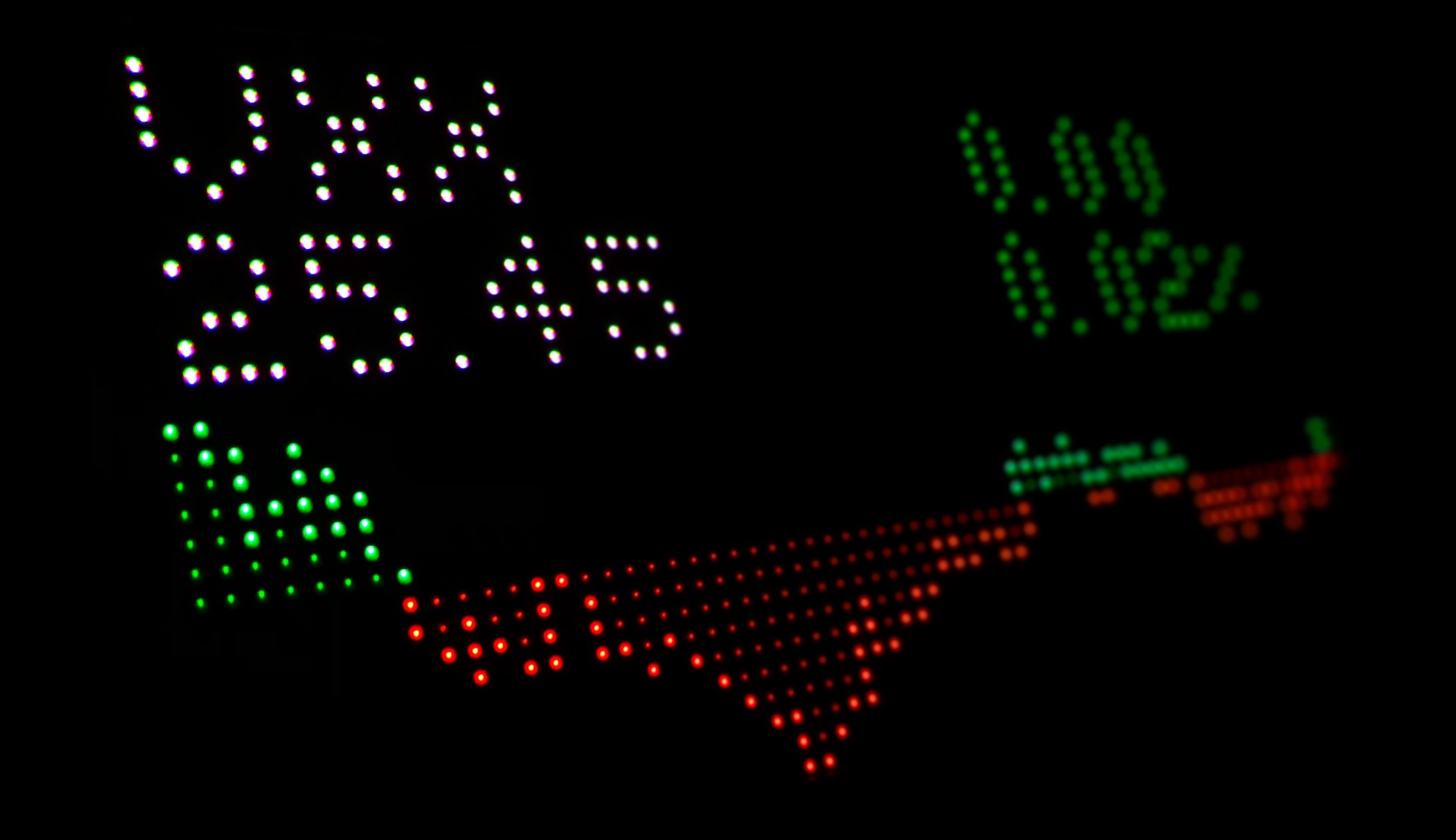
The Federal Reserve's decision to begin quantitative tightening (QT) has raised concerns among investors about the impact it could have on the stock market. QT is a monetary policy tool used by central banks to reduce the money supply and decrease inflationary pressure. In this New York Times-style article, we will explore what quantitative tightening means for the stock market and the potential risks and opportunities it presents for investors.
Apple is a declining company that is desperate for new products. Their valuation multiples have increased significantly faster than their revenue/earnings while their debt has gone up in relation to equity. Their earnings decreased 10.6% year over year last quarter and no one is talking about it. This thing is going to come down eventually, the only question is when.

The Fed believes injecting money into the economy is helping the recovery and ensuring market stability; however, it really is not materially and sustainably succeeding. The stock market is in a bubble that will pop again soon, corporate bond and CMBS default rates will increase over the coming year, deflation will make debt a heavier burden and cash more valuable, the Fed is powerless to stop it. Our economy enters a deflationary cycle that will be hard to get out of, until the bank reserves find their way into the real economy.

China’s economy is potentially going down led by an over-leveraged banking system and it may cause US tech stocks, which derive supply and demand from China, to lead a market correction. Comparing this coronavirus situation to SARS is extremely disingenuous due to the state of the Chinese economy in 2003 compared to the state of the Chinese economy now. The downward pressures from China on world GDP growth as well as Boeing’s pressures on US GDP growth create a significant risk in all world equity markets that is not being priced in. While this does not mean that the US is definitely heading towards a recession or even a global recession, but that the risk should not be ignored by world markets, no matter how much liquidity central banks pump in.